
Safe-Opening Service • Birmingham
Safe Opening in Birmingham
Forgotten the combination, lost the key or found that the keypad is blank or unresponsive? Our Birmingham safe-opening service can assess the problem and determine the appropriate way to regain access.
We identify the safe, its locking system and the visible fault before recommending an opening approach. The aim is to avoid unnecessary damage wherever the safe, lock and existing condition allow.
Tell us the make and model if known, how the safe normally opens and what happens when you try it. We can provide an initial estimate and arrange a visit. After inspecting the safe, we will explain the proposed work and confirm the price before proceeding.
- No call-out charge
- Price confirmed before work begins
- DBS-checked technicians
Call a Locksmith: 0121 496 0123
What to Check Before You Call
A few visible details can help us understand the safe and the problem without moving, forcing or attempting to open it again.
Safe Identification
Look for the manufacturer’s name, model number or information label on the outside of the safe. Do not move a heavy, floor-mounted or wall-mounted safe to search for a label.
Normal Opening Method
Tell us whether the safe normally opens with a key, combination dial, digital keypad or another visible locking method.
Current Symptoms
Describe exactly what happens when you try to open it. For example, the keypad may be blank, the key may not turn, the handle may feel stiff or the door may remain locked after the code is accepted.
These details help us assess the problem and determine the appropriate next step.
Is Your Safe Within Our Opening Service?
Safe-opening requirements vary according to the unit’s construction, locking system and security level. Tell us the manufacturer, model and visible lock type so we can confirm whether the safe falls within our service capability before arranging attendance.
Key-Operated Safes
If the safe normally opens with a physical key, tell us whether the key has been lost, no longer turns or has become damaged. Do not force the key or insert tools into the lock.
Digital and Electronic Safes
For a safe with a keypad or electronic lock, describe what appears on the display and what happens after entering the code. A blank or unresponsive keypad may involve the power supply, keypad or electronic lock.
Mechanical Combination Safes
If the safe uses a rotating combination dial, provide the make, model and any information shown on the external label. The internal lock must be identified before an appropriate opening approach can be considered.
If you do not know the safe’s model or security grade, do not attempt to move a heavy, wall-mounted or floor-mounted unit. Tell us what information is visible from its current position, and we will explain the next step.
Why Is Your Safe Not Opening?
A safe may remain locked because of a key, code, power or mechanical problem. These signs do not confirm the fault, but they help determine what should be inspected and whether the unit falls within our service capability.
You Have Forgotten the Combination
If the combination is unknown, avoid repeatedly guessing codes or forcing the handle. Some electronic safes introduce a temporary delay after unsuccessful attempts, while a mechanical combination safe requires an approach suited to its internal lock.
The Safe Key Is Lost or Will Not Turn
A missing, damaged or unresponsive key can prevent a key-operated safe from opening. Do not force the key or insert another object into the keyway, as this may damage the lock or leave material trapped inside it.
The Keypad Is Blank or Unresponsive
A blank keypad may involve the power supply, keypad or electronic lock. Tell us the safe’s make and model and describe whether any lights, sounds or display messages appear.
The Code Is Accepted but the Door Stays Locked
If the keypad responds to the code but the door remains closed, the issue may involve the handle, bolts or internal mechanism. Stop if the handle does not move normally.
The Handle Is Stiff or the Bolts Will Not Retract
A stiff handle or bolts that will not retract may indicate a mechanical fault. Applying additional force could damage the handle or make the safe more difficult to open.
How the Safe-Opening Method Is Chosen
The appropriate opening approach depends on the safe, its locking system, the visible fault, its existing condition and any previous attempts to gain access. The unit must be assessed before a suitable method can be recommended.
Assess the Safe and Existing Fault
The manufacturer, model and lock type help establish how the safe is constructed. The technician will also consider the visible symptoms and whether the safe has previously been forced, drilled or otherwise damaged.
Consider the Least Disruptive Suitable Approach
Where the safe and its condition allow, an approach intended to minimise unnecessary damage will be considered first. The available options depend on the locking system, fault and condition of the unit.
Explain Any Alternative Approach
If a less disruptive option is unsuitable, the reason and proposed alternative will be explained before work begins. The opening method and price will be confirmed after the safe has been assessed and your authority to access it has been verified.
Our approach: The aim is to regain access while preserving the safe wherever its construction and condition allow. Its condition and future usability can only be confirmed after assessment.
Stop Trying If the Safe Will Not Open
Stop if the safe does not respond normally or begins behaving differently from usual. Continuing to guess codes, force the handle or attempt an opening yourself may cause additional damage and make the original fault more difficult to resolve.
Repeated incorrect codes can trigger a temporary delay on some electronic safes. Applying force to a stiff handle may damage the handle or worsen an internal mechanical fault. Drilling, levering or inserting tools without understanding the safe’s construction can damage the lock and make the unit more difficult and costly to open.
Before authorising work, make sure the person attending has identified the safe, explained the proposed approach and confirmed the price before work begins.
Proof of Ownership or Authority
Before a safe is opened, you should be prepared to show that you own it or have permission or authority to access it. The evidence required may depend on whether the safe is located in a home, rental property, business premises or estate.

Relevant evidence may include:
- Photo identification
- Proof that you own or occupy the property
- Purchase or registration documents for the safe, where available
- Written authority from a business, landlord or property owner
- Documentation showing authority to deal with an estate
The exact evidence needed should be confirmed when arranging the visit. Verification protects the rightful owner and helps prevent the service from being provided without proper authority.
Inherited Safes and Safes Left in a Property
It is common to find a safe after buying a property, taking over business premises or dealing with an estate. You may not have the original key, combination or purchase paperwork, but you will still need evidence showing your connection to the property and authority to access the safe.
Can the Safe Be Used Afterwards?
Whether a safe can continue to be used depends on its condition, locking system, original fault and the opening method required. Its condition and future suitability cannot be confirmed until the unit has been assessed.
Where access can be regained without affecting the lock or structure, the safe may remain suitable for continued use. If the lock, handle or internal mechanism is faulty or damaged, further assessment, repair or component replacement may be required before the safe can be secured again.
An old, corroded or previously damaged safe may still operate but no longer meet your security or insurance requirements. In that situation, replacement may be more practical than continuing to rely on the existing unit.
What Does Safe Opening Cost?
The cost of opening a safe depends on the unit, locking system, fault and work required. We do not publish a standard price because the appropriate approach can only be determined after enough information about the safe and problem is available.
Tell us the make, model, lock type and visible symptoms when you call. We can provide an initial estimate based on the information available. After assessing the safe, the proposed work and price will be confirmed before proceeding.
What Affects the Price?
- The manufacturer and model
- The safe’s size, construction and security level
- The type of key, combination or electronic lock
- The visible fault and any previous opening attempts
- The opening approach required
- Whether further assessment, repair or replacement work is needed afterwards
Clear pricing
- No separate call-out charge
- Price confirmed before opening work begins
- Any necessary change in the work or price explained before additional work proceeds
What Happens When You Call?
The initial call establishes the safe details, visible problem, ownership requirements and appropriate next step before attendance is arranged.
1
1. Describe the Safe and the Problem
Tell us the manufacturer and model if known, how the safe normally opens and what happens when you try it. Mention any previous attempts to force, drill or otherwise open the unit.
2
2. Receive an Initial Assessment
We will check whether the safe type and problem fall within our opening service. If attendance is appropriate, we will explain the likely next step and provide an initial estimate based on the information available.
3
3. Confirm Your Authority and the Proposed Work
The evidence needed to show ownership or authority will be explained when arranging the visit. Before work begins, the technician will inspect the safe, check the relevant evidence and explain the proposed approach and price.
4
4. Understand the Outcome and Next Step
Following the agreed opening work, the technician will explain the visible condition of the safe and whether further specialist assessment, component replacement or a new safe may be required.
Safe Opening Across Birmingham
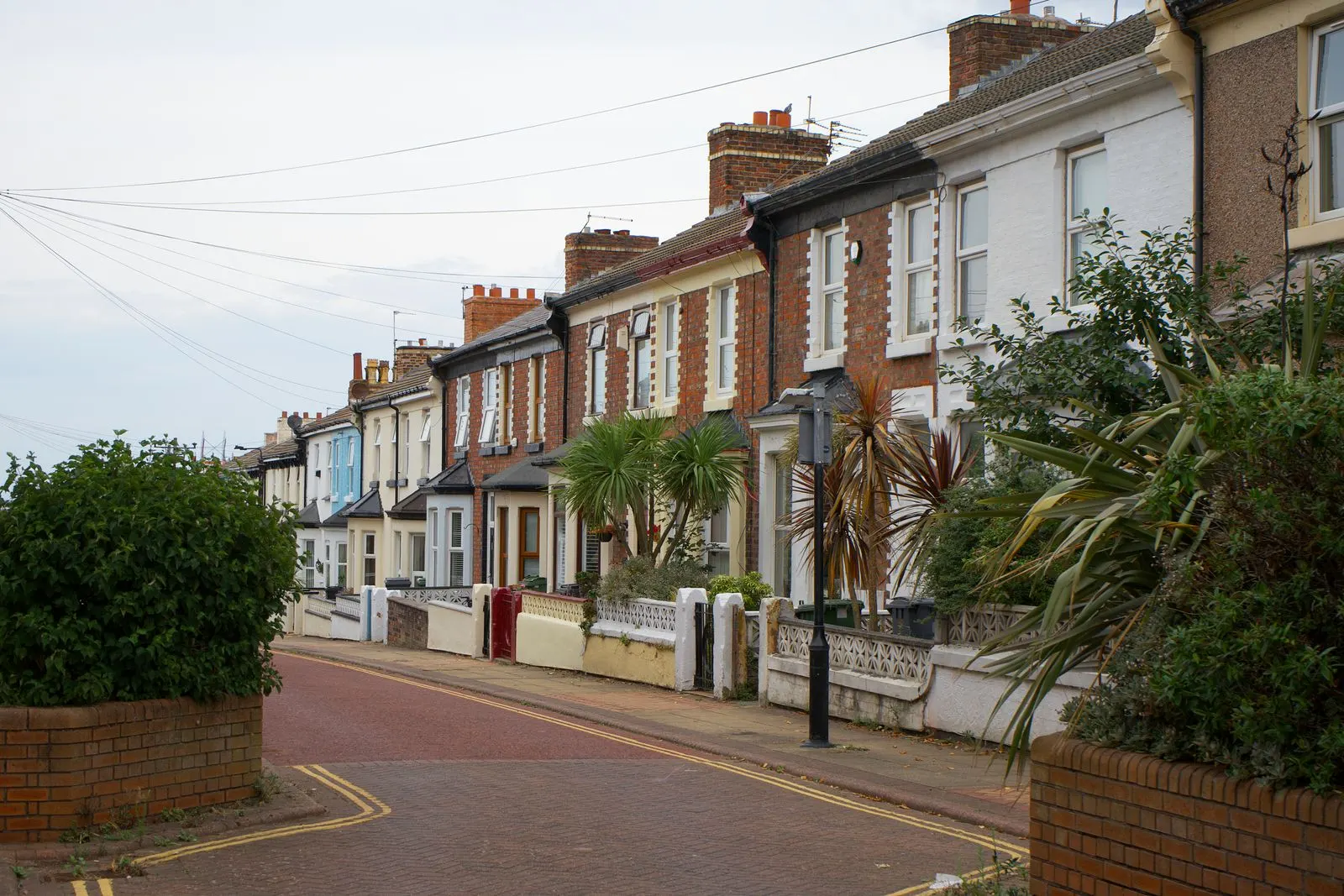
We provide safe-opening services for homeowners, landlords, executors and businesses across Birmingham, subject to the safe type and locking system. Call with your postcode and a description of the problem so we can confirm coverage and explain the next step.
Areas covered include:
- Erdington Locksmith Services
- Harborne Locksmith Services
- Kings Heath Locksmith Services
- Sutton Coldfield Locksmith Services
- Stechford Locksmith Services
- Birmingham City Centre Locksmith Services
If your location is not listed, call to confirm whether your Birmingham postcode is covered.
Need Help With a Locked Safe in Birmingham?
Tell us the safe’s make, model and visible problem. We will check the details, explain the appropriate next step and provide an initial estimate before arranging attendance.
- No separate call-out charge
- DBS-checked technicians
- Price confirmed before opening work begins
Related Services
Related Locksmith Services
Safe Installation
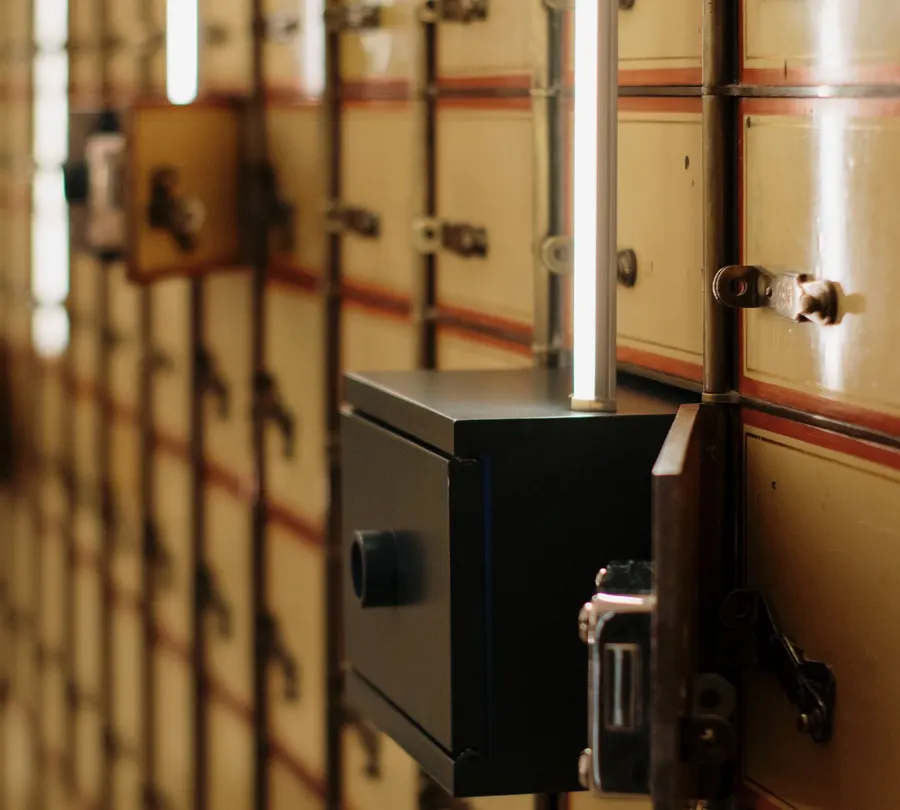
A safe must be appropriate for its intended use and secured correctly. Explore installation support for the safe types and fixing methods the business genuinely handles.
Emergency Locksmith
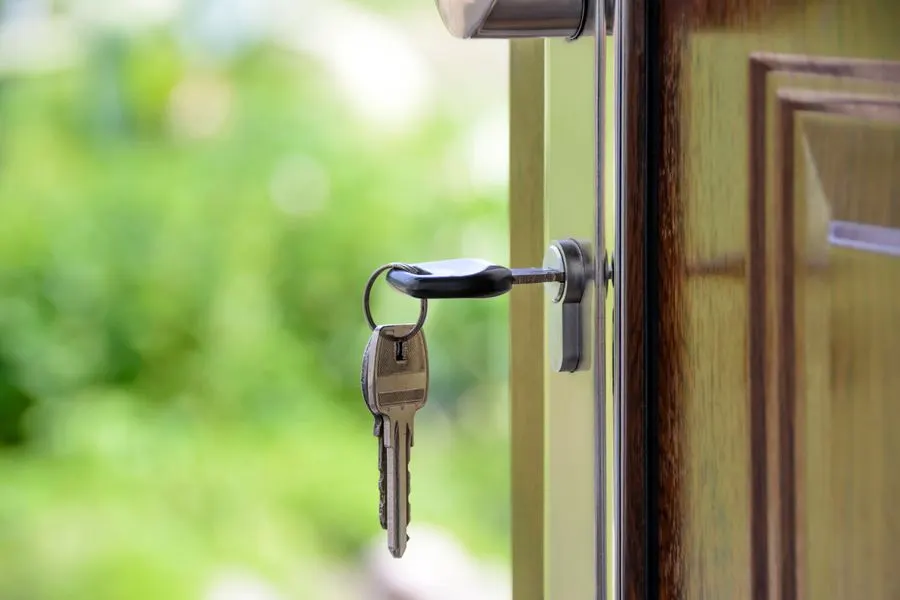
Get help with lockouts, failed locks and doors that will not secure. Call with your postcode to discuss the problem and check current availability.
Lock Replacement
Replace a damaged, outdated or unsuitable lock when repair is no longer appropriate. Find options suited to your door, existing lock and security needs.
Frequently Asked Questions
Can a Safe Be Opened Without Damaging It?
It may be possible, depending on the safe, locking system, fault, existing condition and any previous opening attempts. The safe must be identified and assessed before the suitable method and likely outcome can be explained. Damage-free opening cannot be guaranteed for every unit.
What Information Should I Provide When I Call?
Provide the manufacturer and model if known, the visible lock type and a clear description of what happens when you try to open the safe. Mention whether the keypad responds, the key turns, the handle moves and whether anyone has previously attempted to force or drill the unit.
What Proof of Ownership or Authority Will I Need?
You may be asked for photo identification and evidence showing that you own the safe or have permission to access it. The exact evidence depends on whether the safe is in a home, rental property, business premises or estate and should be confirmed when arranging the visit.
Can You Help With a Safe Inherited With a Property or Estate?
We may be able to help, depending on the safe type and your authority to access it. Original keys, combinations and purchase documents are often unavailable in these situations, but you will still need evidence showing your connection to the property or estate.
Can the Safe Still Be Used After It Is Opened?
Possibly. Continued use depends on the safe’s condition, original fault and opening method. The unit may require further specialist assessment, repair or replacement before it can be relied upon again. Its future suitability cannot be confirmed until it has been inspected.
How Much Does Safe Opening Cost in Birmingham?
The price depends on the manufacturer, model, locking system, fault, construction and work required. We do not publish a standard price, and there is no separate call-out charge. Provide as much information as possible to receive an initial estimate, with the proposed work and price confirmed before opening begins.